
Understanding the cost of living in Philadelphia helps you budget smart and enjoy the city. In this guide, we break down your everyday costs, including housing, groceries, utilities, and transportation. Knowing these figures upfront keeps you from overspending and helps you plan with confidence.
Cost of Living in Philadelphia: Overview
The cost of living in Philadelphia averages $1,373 to $1,478 per month for a single person, not including rent. This puts the city roughly 7% above the US average. Specifically, you can expect to pay 4.6% more for groceries, 9.2% more for utilities, and 3.4% more for transportation, though Philly remains far more affordable than nearby hubs like New York, Washington D.C., and Boston.
| Category | Cost Per Month | Notes |
|---|---|---|
| Housing | $850–$3,500 | Rates vary significantly by neighborhood. |
| Utilities | $170–$260 | Winter heating costs can be higher. |
| Food | $380–$600 | Upscale restaurants and frequent delivery increase this budget. |
| Transportation | $96–$350 | SEPTA monthly passes cost around $96, while driving and parking average $300–$500 per month. |
| Health Insurance | $2,600–$4,200/year | Standard university-sponsored health insurance plans or individual marketplace coverage for young adults and students. |
| Education & Childcare | $1,200–$2,400 | Covers full-time infant or toddler daycare. City programs like PHLpreK offer free options, while college tuition is separate. |
Philadelphia Cost of Living: Daily Life
Planning your budget starts with knowing the actual Philadelphia, Pennsylvania, cost of living.
Housing
Philadelphia’s housing expenses are roughly 10% higher than the national average. Actual rental costs vary depending on locations, room types, and lease terms. Central neighborhoods and short-term leases often come with higher rates, while outer areas provide more budget-friendly options. Below is an overview of the average rent in Philadelphia, PA, across different areas and floor plans to help you compare your choices.
| Accommodation | Average price per month |
|---|---|
| 1 Bedroom Apartment in City Centre | $1,927.13 |
| 1 Bedroom Apartment Outside of Centre | $1,331.79 |
| 3 Bedroom Apartment in City Centre | $3,704.74 |
| 3 Bedroom Apartment Outside of Centre | $2,247.78 |
Housing for Phiadelphia Students
When choosing student accommodation in Philadelphia, your decision largely comes down to on-campus dorms versus off-campus apartments. On-campus dorms are convenient and close to classrooms, but they typically cost more, averaging between $1,200 and $1,800 per month for an academic term. They also come with strict dorm rules, mandatory meal plans, and limited space. In contrast, off-campus housing offers greater personal freedom, modern amenities like in-unit laundry and fitness centers, and flexible floor plans that allow you to split rent with roommates.
Off-campus student apartments in Philadelphia generally range from $800 to $1,800 per month, depending on your room type and location. To help you find the best match within this budget, uhomes.com offers an extensive selection of verified properties across diverse price points. Students booking through the platform benefit from the Lowest-Price Guarantee, ensuring you secure the lowest available rates on the market. In addition, uhomes.com provides the highest cashback, exclusive offers, and seasonal promotions that help cut your upfront living costs even further.

Food
Food is another key part of your Philadelphia, PA, cost of living. You’re going to want to factor in your weekly grocery trips and eating out at local restaurants to create an accurate budget. Home cooking keeps your basic food costs predictable, but meals with friends, coffee runs, and takeout can add up quickly. This is what you can expect to spend on both categories.
Grocery Costs
Overall, Philadelphia has grocery prices that are about 5% higher than the national average. Below is a breakdown of typical grocery costs across the city.
| Grocery Item | Average Price Per Month |
|---|---|
| Loaf of Bread | $4.23 |
| Gallon of Milk | $5.06 |
| Carton of Eggs | $4.42 |
| Bunch of Bananas | $0.81 |
| Hamburger | $6.24 |
You can buy basic groceries at budget stores like Aldi or Lidl, and get fresh fruit and vegetables at local spots like Produce Junction, the Italian Market, or Chinatown shops. Many local stores near campus also give student discounts with a school ID.
Eating Out
Your dining out costs depend on how often you eat out and where you choose to eat. Casual spots and food trucks cost much less than sit-down restaurants. To save money, you can look for happy hour deals, split large meals with friends, and visit BYOB (bring your own beverage) restaurants around the city to cut your drink costs.
| Meal Type | Average Price Per Month |
|---|---|
| Meal at Inexpensive Restaurant | $21.00 |
| Meal for Two, Mid-Range Restaurant | $80.00 |
| Fast Food Combo Meal | $12.88 |
| Domestic Beer (0.5L Draught) | $6.00 |
| Imported Beer (0.33L) | $7.00 |
| Soft Drink (0.33L) | $2.94 |
| Water (0.33L) | $2.13 |
| Cappuccino | $5.21 |
Transport
Getting around Philly costs roughly 2% more than the national average, including bus rides and gas. Philadelphia is a very walkable city, but many residents still rely on cars for daily travel. If you live in central areas like Center City or University City, you can use SEPTA buses, subways, and trolleys, or simply walk and bike to get around. To save money on transportation, you can buy monthly transit passes, use bike-share programs, or share rides with roommates instead of owning a car.
| Transportation | Average Price Per Month |
|---|---|
| One-Way Ticket | $2.90 |
| Monthly Transport Pass | $96.50 |
| Gasoline (1 Liter) | $0.89 |
| Taxi Start | $2.85 |
| Taxi per km | $1.56 |
| Taxi Waiting (1 Hour) | $24.00 |
| Volkswagen Golf (New) | $36,446.00 |
| Toyota Corolla Sedan (New) | $25,824.20 |
Utilities
Utilities are an essential part of life in Philadelphia, which are 10% higher than the national average. For a standard 85 m² (915 sq ft) apartment, utilities in Philadelphia average:
| Utility Type | Average Price Per Month |
|---|---|
| Basic Utilities (85m²) | $239.00 |
| Internet (60 Mbps+, Unlimited) | $74.89 |
| Mobile Phone Plan (10GB+ Data) | $66.11 |
Healthcare
The average cost of healthcare in Philadelphia, PA is 2.8% higher than the national average. Overall healthcare costs depend on hospital visits, insurance premiums, and prescriptions. While local medical centres offer world-class care, hospital fees and private insurance plans can be costly. Prescription medication prices are also rising, making health insurance essential to protect your monthly budget.
| Healthcare | Average Price Per Month |
|---|---|
| Doctor’s Visit | $175.07 |
| Dentist Visit | $121.86 |
| Optometrist Visit | $182.08 |
| Rx Drug | $22.41 |
| Veterinary Visit | $78.66 |
Education & Childcare
Education and childcare expenses in Philadelphia sit roughly 7% above the US average. As a premier college town home to institutions like UPenn, Drexel, and Temple, Philadelphia offers exceptional academic resources, but early childcare remains a major expense for working families. Infant daycare slots in central neighborhoods are competitive and costly, which makes local alternatives essential. Parents can apply for the city-backed PHLpreK program for free early learning, look into Philadelphia public charter schools for tuition-free schooling, or utilize neighborhood YMCA branches and recreation centers for budget-friendly after-school childcare.
| Item | Average Price Per Month |
|---|---|
| Preschool / Kindergarten (Monthly) | $2,150.21 |
| International Primary School (Annual) | $42,123.57 |
The University of Pennsylvania is one of America’s premier Ivy League schools, but attending comes with a high sticker price. Total undergraduate costs for tuition, fees, housing, and meals reach about $91,112 per year for on-campus students. However, Penn offers generous financial aid that meets 100% of demonstrated need without loans. Through initiatives like the Quaker Commitment program, eligible families earning up to $200,000 per year can qualify for full-tuition scholarships. Because of these grants and need-based packages, many admitted students pay far less than the advertised cost.
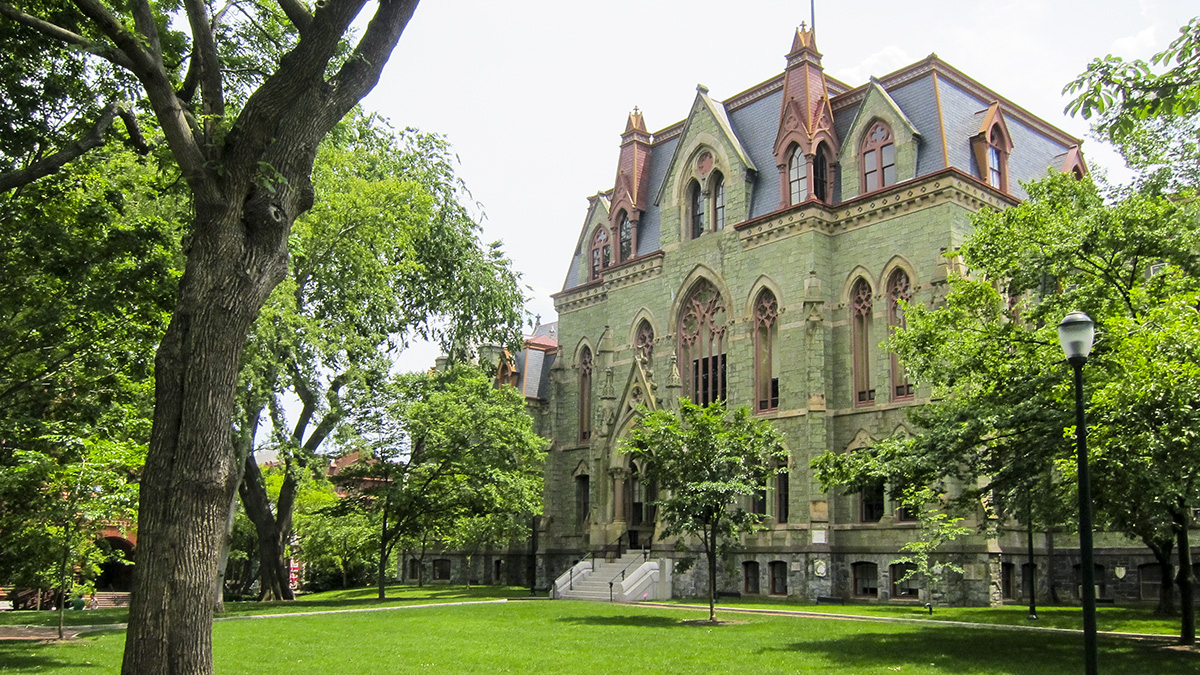
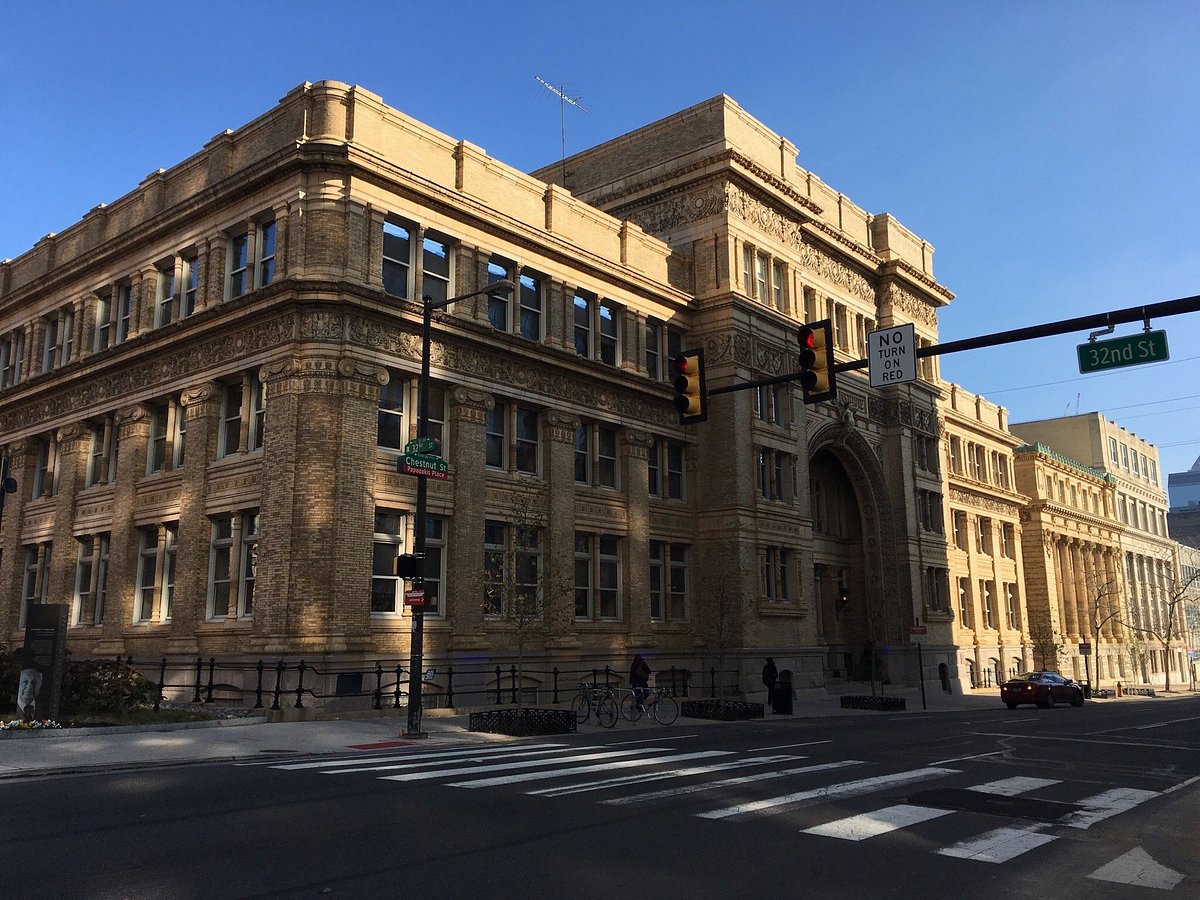
The undergraduate tuition and fees at Drexel University are approximately $62,412 per year (before financial aid). Including housing, meals, and living expenses, the total cost of attendance for on-campus students typically reaches $83,700–$86,000 per year. However, Drexel awards financial aid or grants to the majority of first-year students — the average grant being about $38,216, which can significantly reduce the net cost for eligible students.
Average Salary in Philadelphia, PA
Knowing how much you need to earn in Philadelphia helps you evaluate job offers and long-term affordability. The average salary in Philadelphia, PA, sits roughly 5% to 7% above the national average. By comparing local living costs with these salary levels, you can determine whether your income will comfortably support your lifestyle. This section gives you a clear benchmark so you can plan your finances with confidence.
| Item | Average Price Per Month |
|---|---|
| Average Monthly Net Salary | $4,504.65 |
| Mortgage Interest Rate (Annual) | 6.48% |
What is the Minimum Wage in Philadelphia?
The standard minimum wage in Philadelphia is $7.25 per hour, while the minimum cash wage for tipped workers is $2.83 per hour. Under Pennsylvania state law, local governments are barred from setting a higher minimum wage for private-sector employees. As a result, the city must follow the statewide baseline, even though Philadelphia faces higher living costs than many surrounding areas.
Is Philadelphia Expensive?
Living in Philadelphia is reasonably affordable compared to other major East Coast cities. While local living costs are 7% to 10.3% higher than the US average, Philadelphia costs much less than New York, Boston, and Washington, D.C. Overall consumer prices in Philly are 40% to 50% cheaper than in New York City, and Manhattan housing costs are nearly 300% higher than local Philadelphia rates.
Conclusion
Overall, the cost of living in Philadelphia gives you big-city living at a manageable price. Rent options fit different budgets, and public transit helps keep everyday expenses low. Compared to other major East Coast hubs, Philly remains an affordable and practical place to live.
Cost of Living in Philadelphia FAQ
What is a livable salary in Philadelphia?
A livable salary in Philadelphia for a single adult is typically $55,000–$65,000 per year, depending on housing choices and lifestyle. With average rent for a one-bedroom apartment ranging from $1,650–$2,200 per month, plus utilities, food, transport, and healthcare, total annual expenses usually fall between $45,000–$55,000. Earning above $60,000 generally allows for comfortable living with room for savings.
What are the pros and cons of living in Philadelphia?
- Pros: Philadelphia boasts affordable cost of living for a major city. Its deep-rooted history, favorable public transportation, appealing higher education options, plenty of beautiful outdoor spaces make it a excellent city to live.
- Cons: Living in Philadelphia has its drawbacks, including a higher crime rate than other cities, traffic congestion, and limited parking options. Additionally, some areas face aging infrastructure, and public schools often grapple with funding issues.
Is Philly cheaper than New York?
Yes, Philly is cheaper than New York. When comparing costs, Philadelphia generally offers a more affordable lifestyle than New York City. Housing, groceries, and transportation expenses are notably lower in Philly, making it an attractive option for individuals seeking a vibrant urban experience without the high price tag often associated with New York.
Is $70,000 enough to live alone in Philadelphia?
Yes, for many people, an annual salary around $70,000 can be sufficient to live reasonably comfortably in Philadelphia. Even if rent, utilities, food, transport and daily expenses are combined, the cost of living in Philly is much lower than in pricier metros, leaving room for savings or discretionary spending.
What are some relatively affordable neighborhoods in Philadelphia?
If you’re looking for more budget-friendly rent, neighborhoods outside the historic downtown and high-demand areas tend to be more affordable. For example, some areas show average rents significantly lower than prime neighborhoods — making 1-bedroom or shared apartments more accessible for students or young professionals.ent
Which neighborhoods tend to be the most expensive in Philadelphia?
Central and high-demand neighborhoods tend to have the highest rents. For instance, areas like University City, Center City West, and nearby central districts posted some of the city’s highest rental rates.